

Where is Seville?
Here are estimated train travel times to Seville from different big cities:
- 2 hours from Malaga
- 3 hours from Madrid
- 6 hours from Barcelona

Top 5 attractions in Seville
- Real Alcázar · Get Tickets
- Plaza de España
- Catedral de Sevilla · Get Tickets
- Barrio Santa Cruz
- Las Setas de Sevilla
Read More: Jewish Quarter of Seville · Rooftop Tour of the Cathedral · Inside the Real Alcazar

Other attractions in the city
- Casa De Pilatos · Get Tickets
- Real Maestranza de Caballería
- Plaza del Cabildo
- Torre del Oro
- Maria Luisa Park
- Triana Neighborhood, Seville
- Palacio De Las Dueñas · Get Tickets
- Casa de la Memoria · Get Tickets
- Hospital De Los Venerables

Where to Stay in Seville
- Mid-range hotel: Joya del Casco Boutique Hotel
- High-range hotel: Plácido y Grata Boutique Hotel
- Budget hotel: Lukanda Hospec

Best day trips from Seville

Itineraries


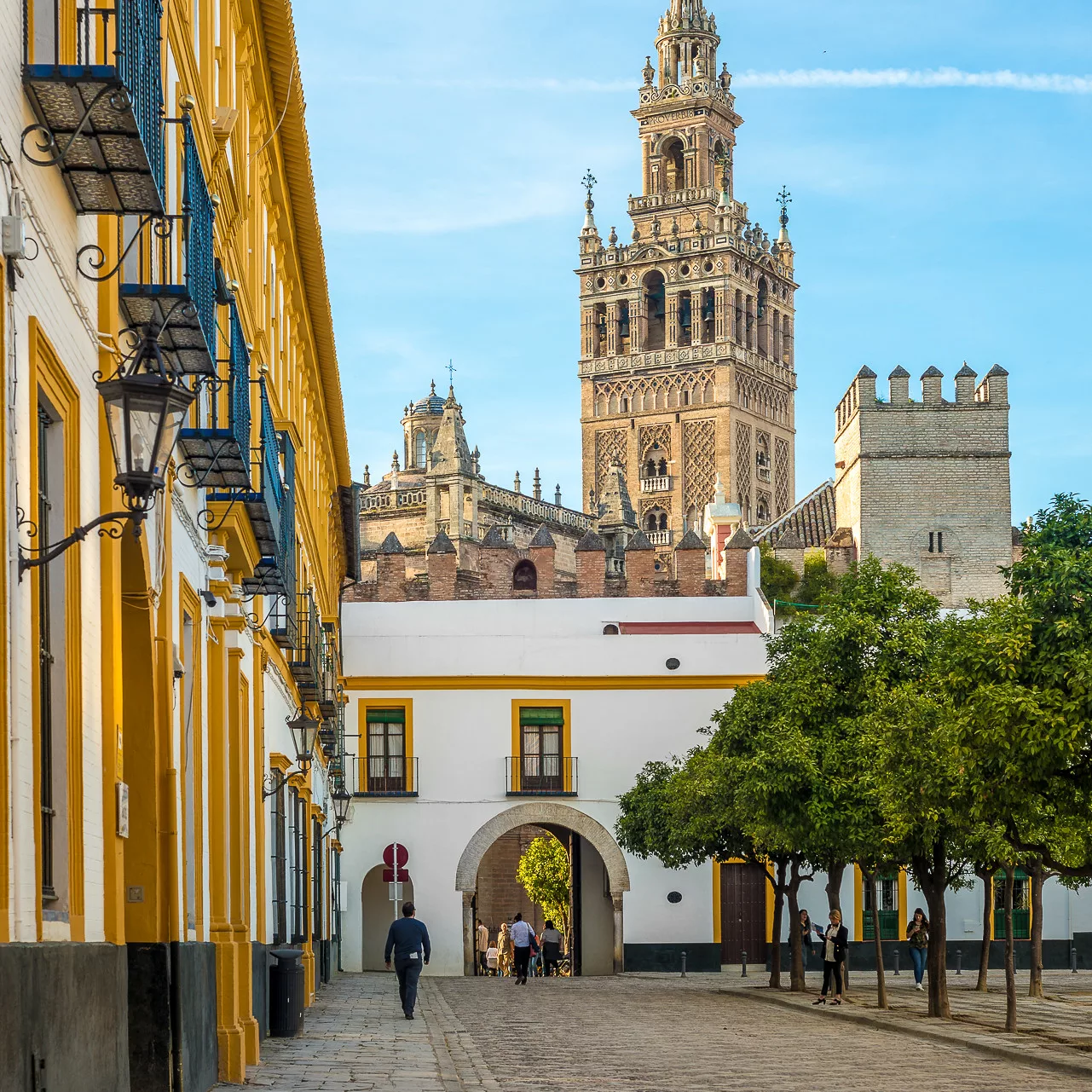
Seville is an enchanting city that moves with the rhythm of its flamenco. It’s situated on the Iberian Peninsula, serving as the capital of Andalusia, and it’s one of the country’s biggest cities, not far behind Madrid, Barcelona, and Valencia.
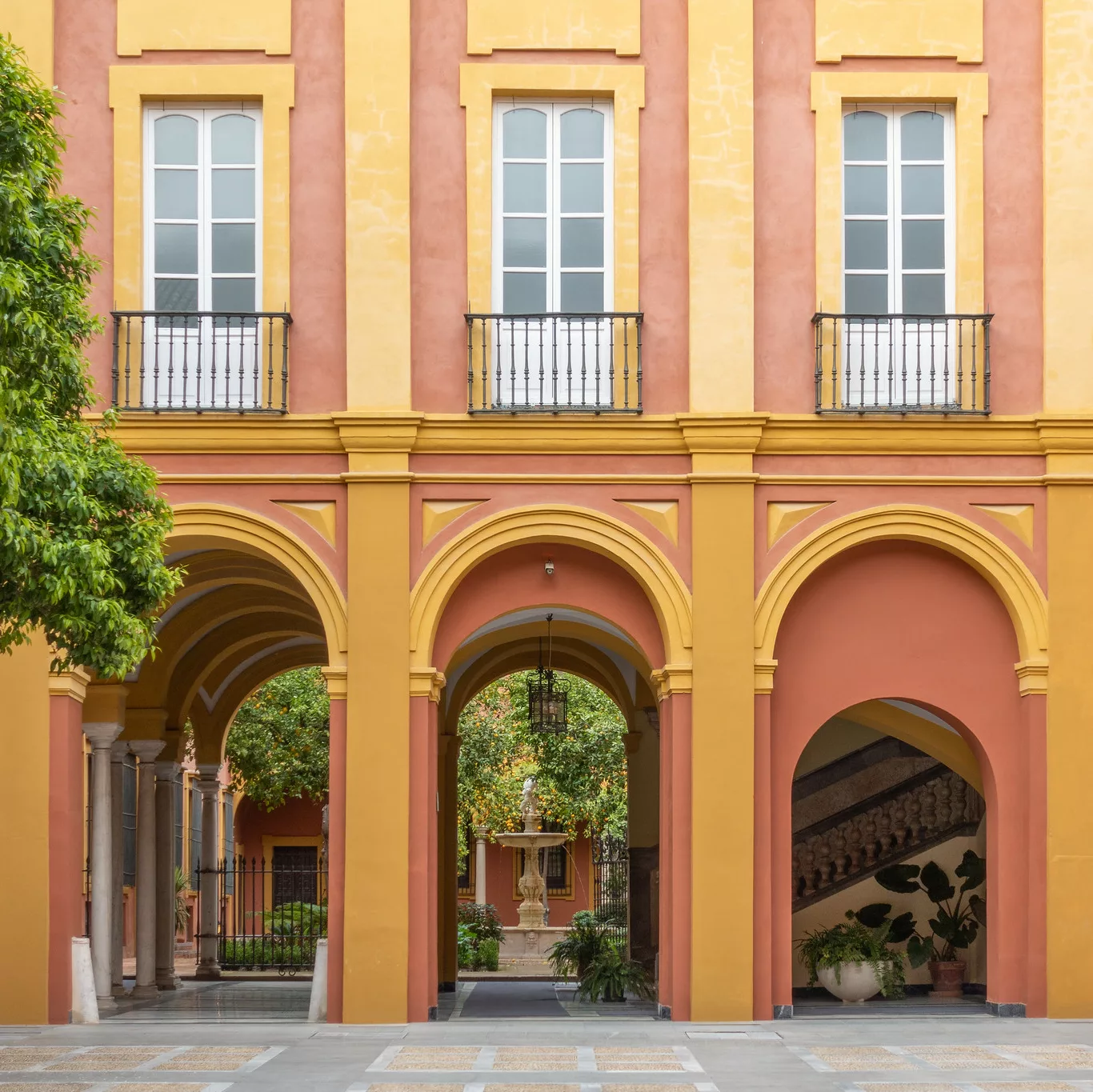
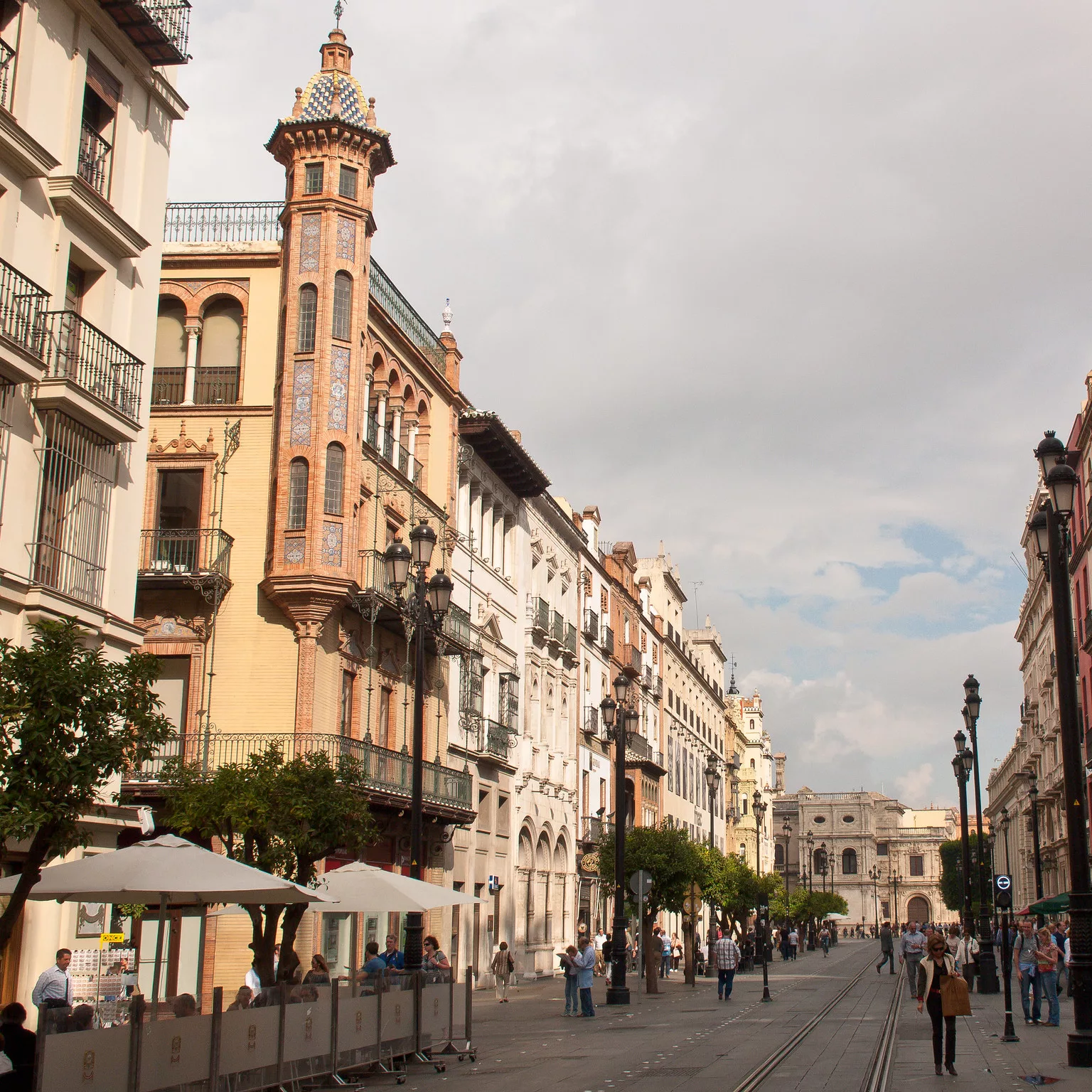
Seville has stunning architecture and delicious food.
To help you plan your trip to Seville, I’ve put together this guide, breaking down the essential information into different sections. It’s more than your standard travel guide, as it serves as a collection of all our articles about Seville.
key takeaway
- Due to its naval history and heavy Arab influence, Seville is definitely in the running for the title of the most beautiful city in Spain.
Where to Stay in Seville
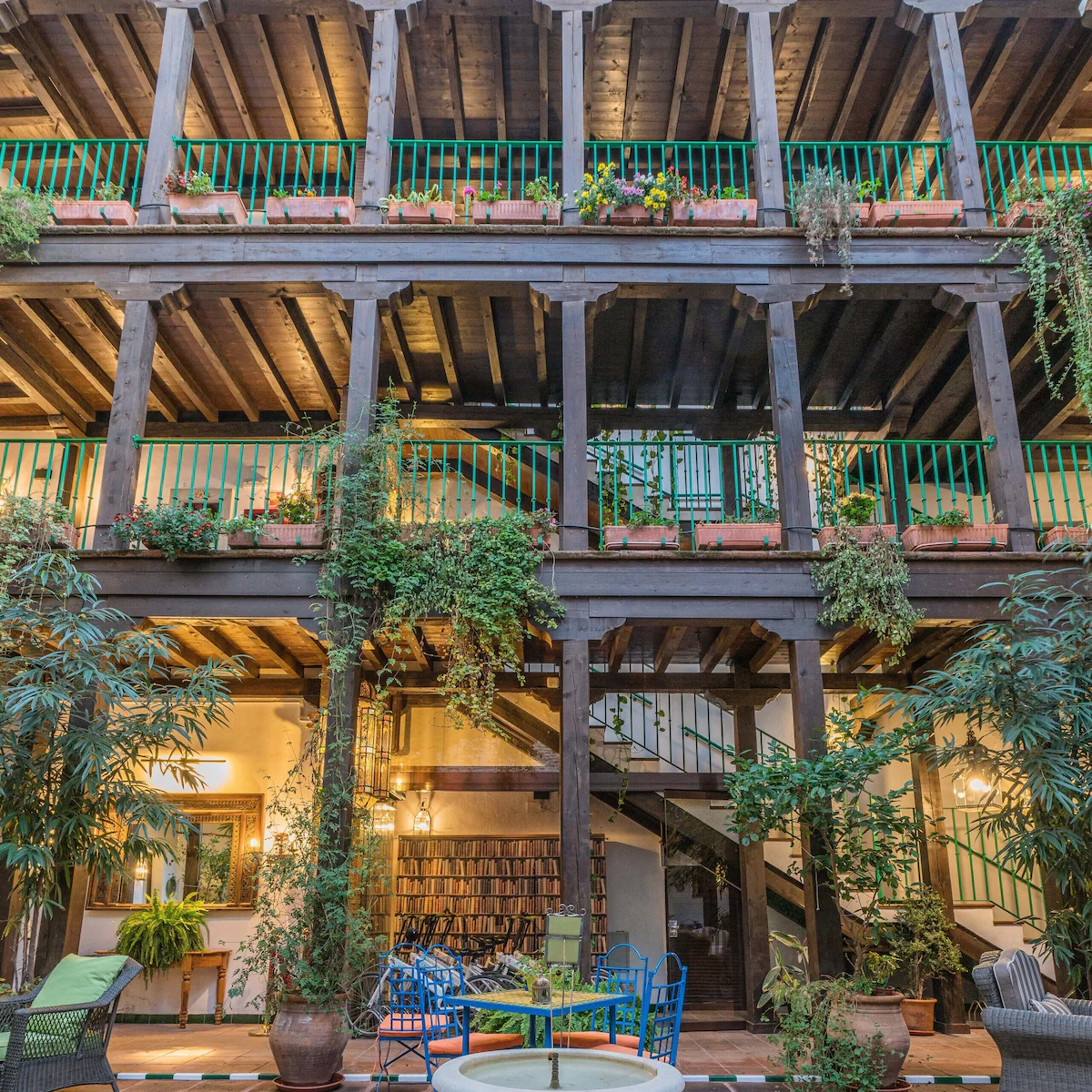
Seville has a large collection of hotels to suit any preference or budget. Here are a few to consider for your stay.
Hand picked hotel recommendations:
- Mid-range hotel: Joya del Casco Boutique Hotel
- Luxury hotel: Plácido y Grata Boutique Hotel
- Budget hotel: Lukanda Hospec
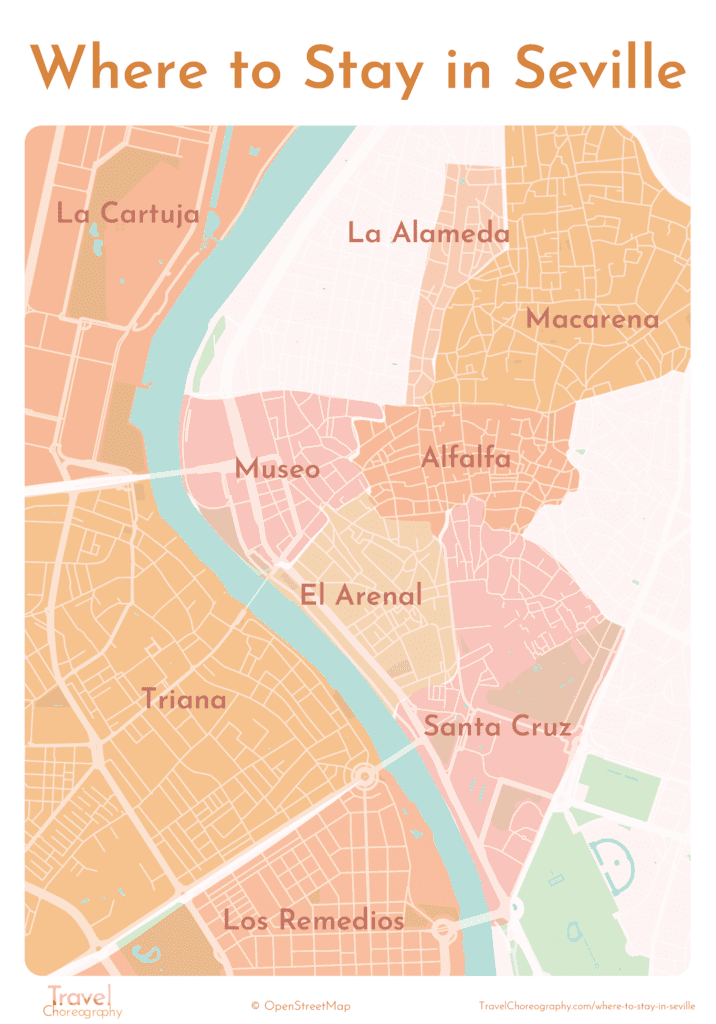
However, Seville’s neighborhoods are quite distinct, and some may be better suited to your style of travel. The best way to find out is by learning more about them.
Neighborhoods of Seville:
Is Seville worth visiting?
No doubt about it, Seville is definitely worth a visit. It’s a city that captures the heart of Spain. Whether you love history, food, architecture, or simply seek the pulse of a passionate city, Seville has something for everyone.
Seville in 3 questions:
- What is the best attraction to see in Seville? It has to be the Real Alcazar!
- What is the most photographed spot in Seville? Plaza de España
- What is Seville best known for? It is often said that Seville is where the gypsy art of Flamenco was born. (Although some would say it’s Granada!)
Lastest Posts on traveling in and around Seville
-

Marbella to Seville Day Trip (One Day Itinerary and Guide)
-
6 Historic Hotels in Southern Spain to take you back in time
-
11 Best Tours in Seville (& Free Things To Do)
-
Seville or Granada – Which City Should You Visit?
-
Best Time to See the Orange Blossoms of Seville
-
Parking in Seville (In Under 15 Minutes)
-
Jewish Quarter of Seville : You Don’t Want to Miss the Barrio Santa Cruz
-
Seville to Cádiz Day Trip (One Day Itinerary and Guide)
-
Day Trip from Seville to Tangier – A Bad Idea?
-
Seville Cathedral Rooftop Tour: The City’s Best-Kept Secret
-
The Perfect 2 or 3 Days in Seville Itinerary (+ free maps)
-
Seville to Córdoba Day Trip: One Day Itinerary (+ Guide)
-
Inside the Real Alcázar of Seville (with pictures and tips)
-
Where to Stay in Seville (Best Neighborhoods & Map included)
-
Itinerary for a Magic 7 Days in Southern Spain